
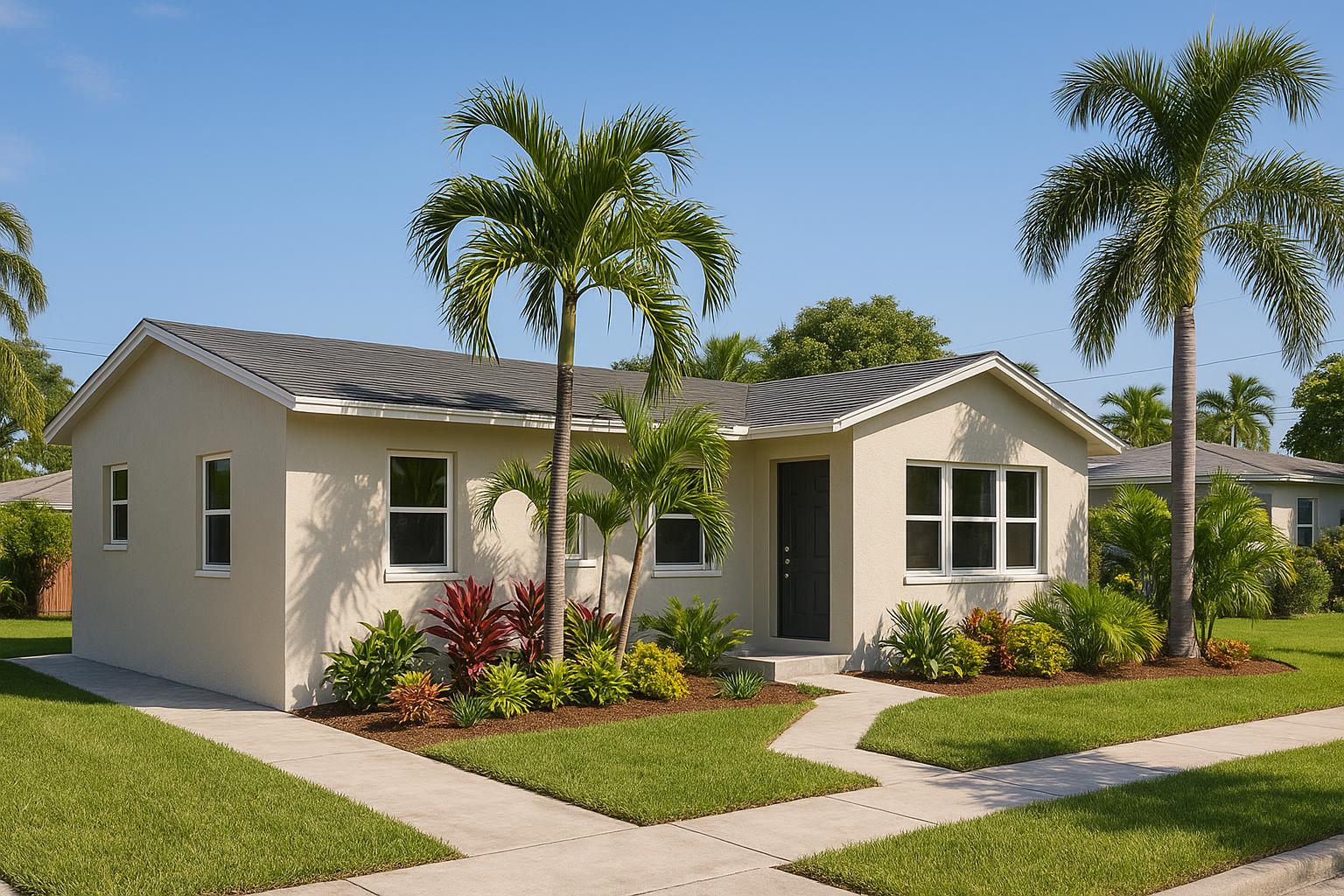
Why Room Additions Are One of the Biggest Decisions You'll Make as a Homeowner
Maybe your family is growing. Maybe you've been working from home and that corner of the living room just isn't cutting it anymore. Or maybe you've simply outgrown your house but love your Pompano Beach neighborhood too much to move. Whatever the reason, a room addition is one of the most significant investments you can make in your home — and one of the most rewarding when it's done right.
But let's be honest: the planning phase can feel overwhelming. Between permits, budgets, design choices, and contractor decisions, it's easy to get stuck before you even break ground. This guide walks you through the key steps so you can approach your room addition with confidence instead of confusion.
Step 1: Define the Purpose of Your New Space
Before you start thinking about square footage or finishes, get clear on why you need more space. The purpose of the room will drive every decision that follows, from layout to materials to budget.
- Extra bedroom: Growing families or frequent guests often need a dedicated sleeping space with closet storage and privacy.
- Home office: Remote work demands a quiet, well-lit room with proper electrical and internet infrastructure.
- Expanded kitchen or living area: Open-concept additions can transform how your household functions day to day.
- In-law suite: A self-contained living space with its own bathroom is increasingly popular in South Florida.
Once you know the purpose, you can have a much more productive conversation with your remodeling team about what's realistic and what's worth prioritizing.
Step 2: Understand Pompano Beach Permitting and Zoning
This is where many homeowners hit their first roadblock. Room additions in Pompano Beach require building permits from the city, and your plans need to comply with local zoning regulations. These rules cover things like:
- Setback requirements — how close your addition can be to property lines
- Maximum lot coverage — the percentage of your lot that can be built on
- Height restrictions
- Flood zone considerations, which are common throughout Broward County
An experienced local contractor will already be familiar with these requirements and can help you navigate the permitting process. Skipping this step or trying to work around it can lead to fines, forced removal of unpermitted work, and serious complications when you eventually try to sell your home.
Step 3: Set a Realistic Budget (and Build in a Buffer)
Room additions are not cheap, but they don't have to be financially devastating either. The key is setting a realistic budget from the start and including a contingency fund of at least 10 to 15 percent for unexpected costs.
Here's what typically factors into the total cost:
- Foundation and structural work: This is the backbone of your addition and often the largest line item.
- Roofing: Tying a new roof into your existing structure requires precision and quality materials.
- Electrical, plumbing, and HVAC: Extending your home's systems into the new space adds cost but is non-negotiable for comfort and code compliance.
- Interior finishes: Flooring, paint, cabinetry, and fixtures are where you can customize to your taste and budget.
- Permits and inspections: These are a necessary part of any legitimate addition project.
When you're getting quotes, be cautious of estimates that seem dramatically lower than others. In our experience serving homeowners across Pompano Beach, Fort Lauderdale, and Coral Springs, a price that looks too good to be true usually comes with corners being cut.
Step 4: Choose the Right Contractor
Your contractor is your most important partner in this process. Here's what to look for:
- Local experience: A company that works regularly in your area will understand local building codes, soil conditions, and common architectural styles.
- Proper licensing and insurance: In Florida, general contractors must hold a state-issued license. Always verify this before signing anything.
- Clear communication: You should feel comfortable asking questions and confident that you'll get honest answers.
- A portfolio of completed work: Ask to see examples of past room additions, not just kitchen or bathroom remodels.
- Written contracts: Every detail — scope, timeline, payment schedule, materials — should be documented in writing.
Don't rush this decision. A great contractor will welcome your due diligence rather than pressure you into signing quickly.
Step 5: Plan for How Construction Will Affect Your Daily Life
A room addition isn't a weekend project. Depending on the scope, construction can take anywhere from six weeks to several months. Planning ahead for the disruption makes the process much more bearable.
- Noise and dust: Expect both, especially during demolition and framing. If you have young children or work from home, plan accordingly.
- Access to your home: Parts of your yard or driveway may be temporarily blocked by materials or equipment.
- Temporary adjustments: If your addition connects to existing rooms, you may lose access to certain areas during construction.
A good contractor will communicate the timeline clearly and give you advance notice before particularly disruptive phases of the project.
Step 6: Think Long-Term Value, Not Just Immediate Needs
While it's important that your addition solves a current problem, it's equally important to think about how it will affect your home's value down the road. In a competitive South Florida real estate market, a well-executed room addition can significantly increase your property's worth.
Consider these long-term factors:
- Consistency with your home's style: The addition should look like it belongs, not like an afterthought.
- Quality of materials: Durable finishes and proper construction hold up to Florida's heat, humidity, and storm seasons.
- Functionality: Rooms that serve a clear purpose — like a fourth bedroom or a proper home office — appeal to future buyers.
At High Room Addition, we work with homeowners throughout Pompano Beach and surrounding communities like Deerfield Beach and Lighthouse Point to design additions that feel seamless and add lasting value.
Ready to Start Planning?
A room addition is a big project, but it doesn't have to be a stressful one. With a clear purpose, a realistic budget, the right contractor, and a solid plan, you can expand your home in a way that improves your quality of life today and pays dividends for years to come.
If you're thinking about adding space to your Pompano Beach home, we'd love to talk through your options. Reach out to High Room Addition for a consultation, and let's figure out the best path forward together.