
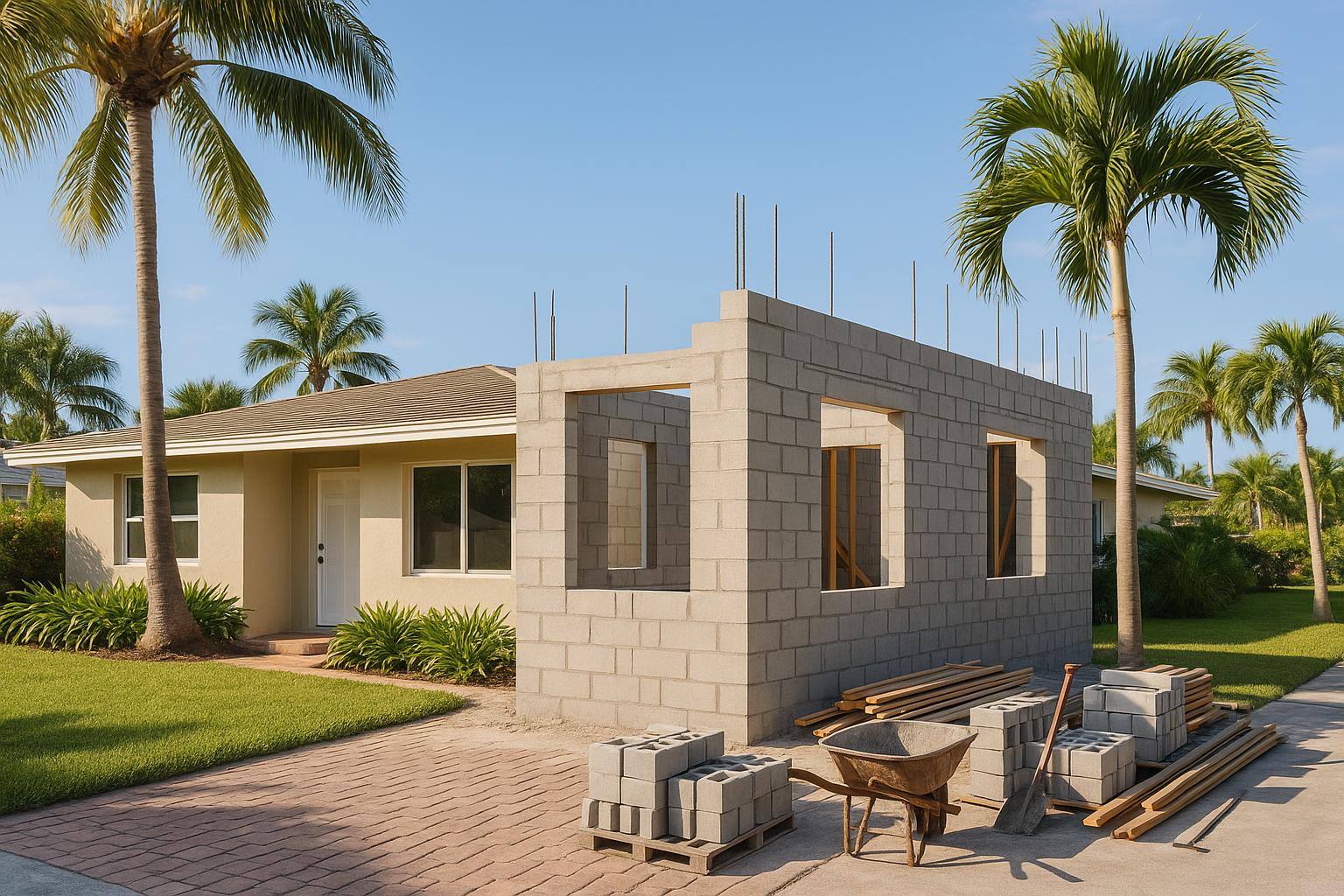
Why Room Additions Are One of the Biggest Investments You'll Make
Adding a new room to your home is exciting. Maybe your family is growing, you need a dedicated home office, or you've simply outgrown your current layout. Whatever the reason, a room addition is one of the most impactful improvements you can make — both for your daily comfort and your property's long-term value.
But here's the reality: room additions are also one of the most complex remodeling projects a homeowner can take on. Between permits, structural engineering, budgeting, and design decisions, there are dozens of places where things can go sideways if you're not prepared.
Living in Pompano Beach, you also have unique considerations — from hurricane building codes to soil conditions near the coast. This guide will walk you through how to plan a room addition the right way so you can avoid surprises and enjoy the process.
Step 1: Define Your Goals Before You Pick Up the Phone
Before contacting a contractor or architect, take time to clearly define what you need. Ask yourself these questions:
- What will this room be used for? A bedroom has very different requirements than a sunroom or a home gym.
- How many square feet do you need? Even a rough estimate helps guide early conversations.
- Does it need plumbing or special electrical? Adding a bathroom or kitchenette to the space significantly changes the scope and cost.
- What's your realistic budget range? Be honest with yourself. It's better to scale back a plan than to run out of funds mid-project.
Having clear answers to these questions saves time and money once the project kicks off. It also helps your contractor give you a more accurate estimate upfront.
Step 2: Understand Pompano Beach Permitting and Code Requirements
One of the most common mistakes homeowners make is underestimating the permitting process. In Pompano Beach, any structural addition to your home requires a building permit from the city's Development Services Department. This isn't optional — unpermitted work can result in fines, forced removal, and serious problems when you try to sell your home.
Here's what you should know:
- Zoning setbacks matter. Your property has specific rules about how close a structure can be to the property line. Your contractor should verify these before finalizing any design.
- Florida Building Code is strict for a reason. South Florida's hurricane requirements mean your addition needs to meet wind load specifications, impact-resistant standards, and proper tie-down engineering.
- HOA restrictions may apply. Many Pompano Beach neighborhoods have homeowner associations with their own rules about exterior modifications, height limits, and even materials.
A reputable local remodeling company will handle the permitting process for you, but it's important that you understand what's involved so you can plan for the timeline it adds — typically two to six weeks before construction even begins.
Step 3: Set a Realistic Budget (and Build in a Cushion)
Room additions in South Florida can range widely in cost depending on the size, complexity, and finishes you choose. A basic 200-square-foot addition might start around $30,000 to $40,000, while a larger space with plumbing, custom cabinetry, and premium finishes can easily exceed $80,000 or more.
Here's how to budget wisely:
- Get at least two to three detailed estimates. Compare not just price, but scope of work, materials specified, and timeline.
- Add a 10-15% contingency. Unexpected issues — like outdated wiring behind a wall or a plumbing reroute — are common in remodeling. A contingency fund keeps these from derailing your project.
- Prioritize structural quality over cosmetic upgrades. You can always upgrade countertops or flooring later. You can't easily redo a foundation or roof tie-in.
Be cautious of bids that seem dramatically lower than others. In our experience working with homeowners across Pompano Beach and surrounding areas like Lighthouse Point and Coconut Creek, unusually low bids often mean corners are being cut on materials, labor, or proper permitting.
Step 4: Choose the Right Contractor for the Job
This might be the most important step of all. The contractor you choose will determine whether your room addition is a smooth experience or a months-long headache. Here's what to look for:
- Licensed and insured in Florida. Verify their license through the Florida Department of Business and Professional Regulation.
- Experience with additions specifically. Remodeling a kitchen is very different from building a new structure attached to your home. Make sure they've done this type of work before.
- Clear communication style. You'll be working closely with this team for weeks or months. If they're hard to reach during the estimate phase, it won't get better once the project starts.
- Local references you can verify. Ask for names and addresses of recent projects in the Pompano Beach area. Drive by if you can — it tells you a lot about their quality of work.
Step 5: Plan for the Disruption
Even the best-managed room addition will disrupt your daily routine for a period of time. Construction noise, workers on your property, dust, and temporary loss of yard space are all part of the process. Here's how to minimize the stress:
- Establish a clear start and end timeline with your contractor, including key milestones.
- Set up a temporary workspace or living area if the addition affects a high-traffic part of your home.
- Communicate with your neighbors. A quick heads-up about the construction timeline goes a long way toward maintaining good relationships.
- Keep pets and children safe by establishing boundaries around the work zone.
Most room additions in our area take between six and twelve weeks from permit approval to final inspection, depending on scope. Knowing this upfront helps you set realistic expectations.
Step 6: Think Long-Term Value, Not Just Immediate Needs
A well-planned room addition doesn't just solve today's space problem — it adds measurable value to your home. In a competitive real estate market like South Florida, extra square footage with quality finishes can significantly increase your property's resale price.
Consider these value-boosting strategies:
- Match the architectural style of your existing home so the addition looks intentional, not tacked on.
- Use durable, climate-appropriate materials that hold up to Pompano Beach's humidity and heat.
- Include energy-efficient windows and insulation to keep utility costs down and appeal to future buyers.
Ready to Start Planning?
A room addition is a big decision, but it doesn't have to be an overwhelming one. With clear goals, a realistic budget, the right permits, and a trusted local contractor, you can add the space your family needs without the headaches that come from poor planning.
At High Room Addition, we've helped homeowners throughout Pompano Beach, Fort Lauderdale, Deerfield Beach, and the surrounding communities turn cramped homes into spacious, functional spaces. If you're considering a room addition, we'd love to walk you through the process and help you make a confident, informed decision.